

Can Solar Panels Be Recycled?
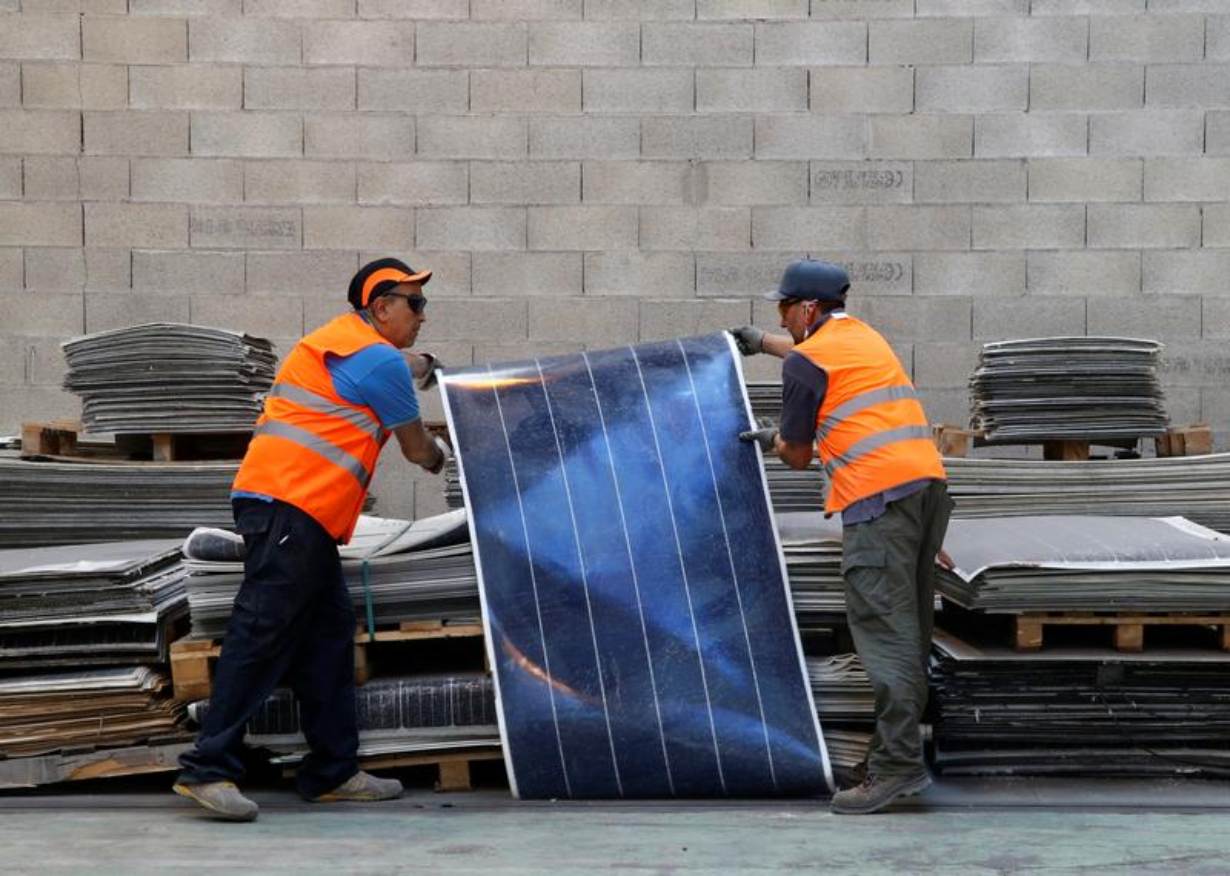
Can Solar Panels Be Recycled? What UK Homeowners Need to Know
As solar power becomes more popular across the UK, a common question we hear at Solent Renewables is:
“What happens to solar panels at the end of their life? Can they be recycled?”
The short answer is yes — solar panels can be recycled, and the UK has clear processes in place to recover glass, metals and silicon from old or damaged PV modules. Here’s everything you need to know.
🔄 Why Solar Panel Recycling Matters
Solar panels typically last 25–30 years, and many early UK installations are only now approaching replacement age. Recycling prevents panels from going to landfill and allows valuable materials to be reused.
Under UK law, solar panels fall under the WEEE Directive (Waste Electrical and Electronic Equipment), meaning they must be handled properly by certified recycling partners.
More details can be found on Gov.uk:
👉 https://www.gov.uk/guidance/waste-electrical-and-electronic-equipment-weee-reuse-and-treating-waste
♻️ What Materials in a Solar Panel Can Be Recycled?
Modern solar PV panels are mainly made from:
- Glass (around 75–80%)
- Aluminium frame
- Copper wiring
- Silicon cells
- Plastic backing layers
Recycling facilities can recover:
- Glass for new glass products
- Aluminium for new frames or construction materials
- Metals such as silver and copper
- Silicon, which can be refined and reused
This allows 80–95% of a panel to be recovered depending on its type (mono, poly, thin-film etc.).
🏭 How Are Solar Panels Recycled in the UK?
Certified WEEE recycling centres follow processes such as:
1️⃣ Frame & Junction Box Removal
Aluminium and copper are removed and recycled separately.
2️⃣ Shredding / Crushing
The panel is mechanically broken down into smaller pieces.
3️⃣ Material Separation
Advanced separation techniques extract:
- Glass
- Metals
- Plastics
- Silicon
4️⃣ Purification & Reuse
Recovered materials enter manufacturing supply chains to be reused.
You can read more about industry standards through MCS here:
👉 https://mcscertified.com/
⚖️ Regulations Installers Must Follow
As an MCS-certified installer, Solent Renewables follows:
- MCS Standards
- WEEE Directive compliance
- Environmental best practice for solar waste
- Manufacturer recycling partnerships
This ensures every solar system we install can be responsibly handled at the end of its life.
🗑️ How We Handle Panel Replacement at Solent Renewables
If we replace or upgrade an existing solar system, we will:
- Remove old panels safely
- Transport them to a certified WEEE recycling partner
- Provide documentation showing responsible disposal
- Assist with recycling inverters, batteries and associated equipment
👨🔧 Do You Need to Worry About Disposal as a Homeowner?
No — recycling is handled by:
- The installer (when panels are replaced)
- The manufacturer (under take-back schemes)
- Certified WEEE collection points
Your responsibility as the homeowner is simply to ensure your installer follows proper practices — something Solent Renewables guarantees on every project.
🌍 The Future of Solar Recycling
The UK is investing in more advanced recycling technologies, particularly to recover:
- Silicon
- Rare metals
- High-value components from modern panels
As uptake of solar increases, recycling will play a major role in keeping the industry sustainable.
📣 Thinking of Upgrading Old Panels?
If you have an older solar system or damaged panels, we can help you:
- Assess whether repair, replacement or upgrade is best
- Safely remove and recycle old equipment
- Install modern, more efficient panels and batteries
https://www.solentrenewables.co.uk/contact
Need to Speak to an Expert?
Book a free quote from now, or chat to one of our energy saving experts for free and impartial advice.
Get Free Quote


